
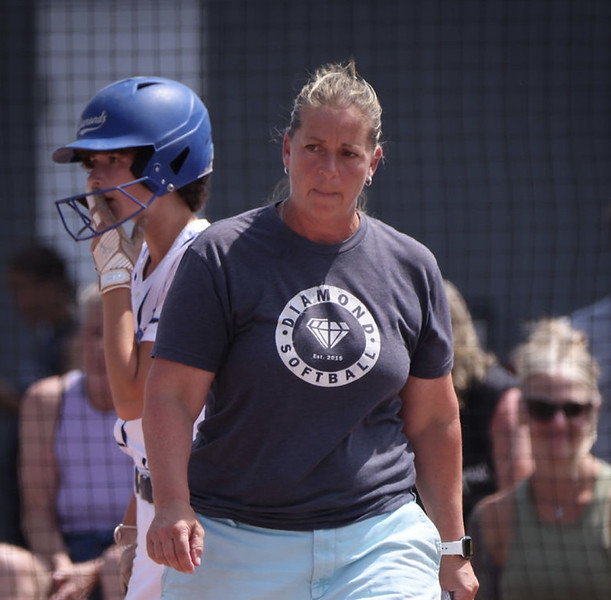
A dad pulled a coach aside after practice a few weeks ago and asked, half-joking and half not, whether he should stop watching his daughter’s at-bats from the fence because she kept looking over at him between pitches. It’s a fair question, and an uncomfortable one, because the honest answer is usually yes, at least for a little while. A slump is already a confidence problem. A parent’s visible anxiety about the slump usually makes it a bigger one.
The Slump Is Rarely About Mechanics First
Ten at-bats without a hit will wreck a young player’s confidence faster than it changes her swing. Coaches see this constantly: a hitter starts guessing instead of reacting, tightens up in the box, and starts chasing pitches she’d normally take. The mechanics usually followed the confidence downhill, not the other way around, which means a mechanical fix alone rarely gets a kid out of it.
What Actually Helps Between Games
Short, low-stakes reps at home, tee work, soft toss, anything with no scoreboard attached, do more for a slumping hitter than a long lecture about what she’s doing wrong. The goal in that window isn’t to overhaul her swing. It’s to let her feel a good swing again without the pressure of a real at-bat riding on it. A parent who can resist turning that time into a critique session is doing the most useful thing available to them.
The Car Ride Home Is Where Most of the Damage Gets Done
Most players can tell you exactly what they did wrong in a game before anyone says a word. Replaying every at-bat on the drive home, even with good intentions, usually confirms to a kid that the failure is the biggest thing that happened that day. A simple “tough one today, you’ll get the next one” does more for a slumping hitter than a full breakdown of her two-strike approach, which can wait for practice with a coach who isn’t also her ride home.
Watch for the Difference Between a Slump and Genuine Burnout
A normal slump usually comes with frustration but the player still wants to be at the field. If a kid starts dreading practice, making excuses to skip games, or talking about quitting altogether, that’s a different and more serious signal than a cold bat, and it’s worth a real conversation about workload and pressure rather than another round of hitting drills.
What We Actually Do About It
Our coaches will pull a hitter aside during a rough stretch, not to fix her swing on the spot, but to remind her what she’s good at and take the pressure off finding it all in one at-bat. That’s not a soft approach, it’s a deliberate one: a kid who feels safe failing in front of her coaches recovers faster than one who feels like every strikeout is being silently graded. It’s also part of why we keep rosters small, so a coach actually knows when a player’s confidence is cracking, not just her batting average.
None of this means pretending the slump isn’t happening or lowering the bar on effort. It means separating the outcome from the person, out loud, consistently, until she believes it again herself. If you want to see how our staff actually talks to hitters through a cold stretch, our coaches are glad to talk through it directly, and our clinics are a good, low-pressure place to watch that approach in action before committing to anything bigger.
Diamond Softball Club — Development over drama. New England travel ball for players who actually want to get better.