
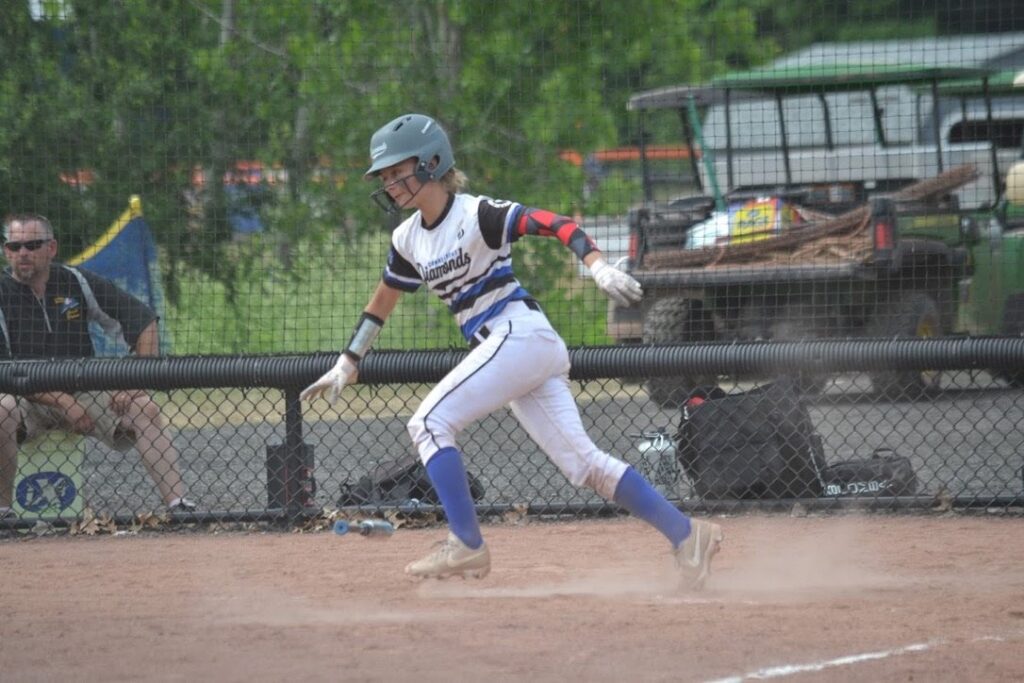
A dad asked us this spring whether he should be adding a private lesson on top of practice, clinic, and a weekend tournament, because he’d read that more reps equals faster improvement. It’s a reasonable instinct, and it’s usually wrong. More volume only helps up to a point, and past that point it starts working against the exact development the extra reps were supposed to build.
The Research Backs This Up, Not Just Intuition
A study published earlier this year in BMC Sports Science, Medicine and Rehabilitation tracked adolescent athletes across a full season and found that each additional weekly athletic exposure raised the odds of a more severe injury by about 11 percent. That is not a reason to avoid activity, but it is real evidence that volume has a cost, and that cost compounds quietly before it shows up as a pulled muscle or a season-ending strain.
Ages 8-10: Two to Three Structured Sessions Is Plenty
At Feeder Program age, the ceiling is lower than most parents assume. Two to three organized sessions a week, mixed with plain unstructured play, builds more durable skill than a packed schedule does. The nervous system is still learning basic coordination at this age, and pushing volume here mostly produces fatigue, not better mechanics.
Ages 11-13: Room to Grow, Still a Real Ceiling
This is usually where private lessons start getting added on top of team practice, and it’s also where overuse patterns start quietly forming, especially in throwing arms. Three to four sessions a week including team practice is a reasonable range for most players at this age; a fifth structured session most weeks is where we start asking what’s actually being trained for, not just added.
Ages 14 and Up: Volume Can Increase, But Recovery Has to Scale With It
Older players can handle more, but “can handle more” only holds up if sleep, nutrition, and actual rest days are also increasing alongside the training load, not staying flat while practice time climbs. A player training five or six days a week without a genuine recovery day is not training harder, she’s just accumulating fatigue that eventually shows up as a plateau or an injury.
The Real Question Isn’t “How Much,” It’s “What For”
Before adding another session, it’s worth asking what specific weakness it’s meant to address. Extra reps aimed at a real, identified gap in mechanics are usually worth it. Extra reps added because more felt safer than doing nothing rarely move the needle, and they’re the ones most likely to catch up with a player physically before anyone notices.
One more thing worth saying: volume that looks identical on paper can mean very different things depending on intensity and what’s actually being asked of the body. A ninety-minute practice built around short, focused stations is not the same load as ninety minutes of live scrimmage at full speed, even though both show up as “one session” on a schedule. If you’re trying to gauge whether a week is too much, the honest question is not just how many sessions are on the calendar, but how much of that time is genuinely taxing versus how much is technical work at a manageable pace.
If you’re not sure where your daughter’s current volume actually sits relative to what’s useful, our coaches are happy to talk through it honestly, including telling you when the answer is to do less, not more. And if you’re earlier in this process, our clinics are a good, low-pressure way to see how we think about pacing development before committing to anything bigger.
Diamond Softball Club — Development over drama. New England travel ball for players who actually want to get better.