
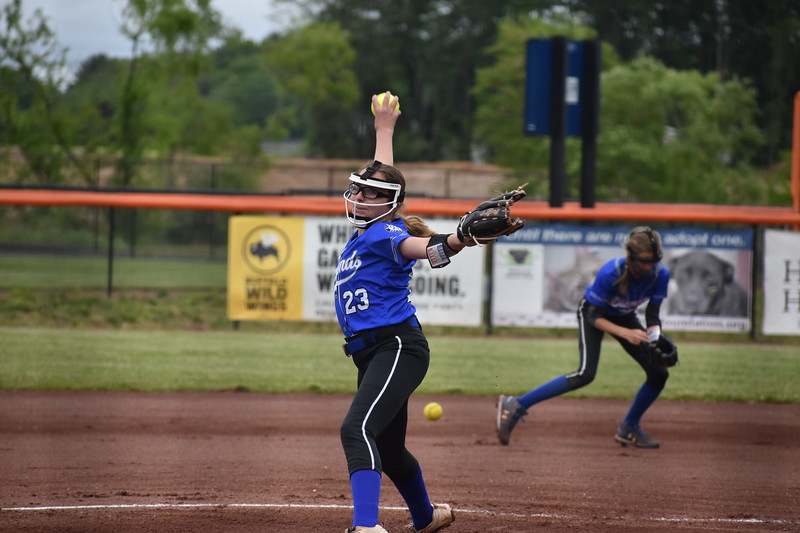
A coach at a college camp told one of our parents something blunt last spring: she watches the first fifteen seconds of a recruiting video, and if nothing useful has happened by then, she moves on to the next one in her inbox. That is the whole game. Most families spend hours editing in music and slow-motion highlights that get skipped before they even load.
Coaches Are Not Watching for Excitement
A diving catch or a home run trot feels like the obvious thing to lead with, but coaches already assume a highlight reel is cherry-picked. What they are actually trying to evaluate is repeatable mechanics — a hitting stance, a throwing motion, footwork on defense — the things that predict whether a swing will hold up against better pitching, not whether one swing looked good on one day.
Skills Video Beats Highlight Video, Every Time
The videos that actually get watched in full are built around skill work, not game action: infield reps from multiple angles, batting practice against a coach or machine, footwork drills, a bullpen session if she pitches. Game footage has value, but only after the skills section, and only a few clips — not a full inning.
Camera Angle and Distance Matter More Than Editing
A coach needs to see full body mechanics, not a tight shot on a face or a bat. Film from a consistent angle — behind and slightly to the side for hitting, directly behind for pitching — and far back enough to see the whole motion. A shaky, zoomed-in phone video with music over it reads as amateur no matter how good the player actually is.
Say Less, Show More
Skip the intro slide with a highlight-reel voiceover and inspirational music. Coaches want jersey number, position, graduation year, GPA, and contact information visible on screen in the first few seconds, then footage. A 90-second to 3-minute video with a clear structure beats a 6-minute produced montage almost every time.
Update It, Don’t Just Send It Once
A video filmed at 12U and never touched again stops being useful fast — mechanics change, and coaches can tell when footage is old. Plan to refresh it every season, not just before you think you are ready to reach out. A current, honest video of where a player actually is beats an old video of her at her best moment.
One more thing worth saying plainly: a great video does not fix a swing a coach would pass on in person, and a modest video will not sink a player a coach genuinely wants. The video’s job is to get a real conversation started, not to close a decision on its own — treat it as an accurate introduction, not a sales pitch, and it will do its job better than a flashier one that oversells.
If you are working on this and want a second set of eyes on what to include, our coaches have sat on the other side of this process and are happy to talk through it. And if your daughter is still a few years out from recruiting video territory, our clinics are a good, no-commitment way to start building the mechanics that will actually show up on film later.
Diamond Softball Club — Development over drama. New England travel ball for players who actually want to get better.